
Bird Watching in Southern and Eastern Africa
With over 2,300 bird species spread across diverse habitats, Southern and Eastern Africa are among the most rewarding regions in the world for bird spotting. From flamingos in Kenya’s Rift Valley to fish eagles soaring over Botswana’s Okavango Delta, the variety of birdlife here is unmatched. If you’re wondering where to go for the best birdwatching experiences, when to visit to see migratory or rare species, or which tours and lodges cater specifically to bird enthusiasts, you’ve come to the right place. Whether you call it birding or birdwatching, Africa’s vast landscapes—from wetlands and savannas to mountains and deserts—offer endless opportunities to observe iconic and hard-to-find birds. This guide highlights the top destinations, optimal seasons, and expert-led tours to ensure your African bird spotting adventure is unforgettable.
Why Africa is a Bird Spotting Hotspot
- Unrivalled Biodiversity
Few places rival Africa’s astonishing birding biodiversity. Southern Africa alone boasts over 800 recorded species, many of which are found nowhere else on Earth. Endemics such as the Cape Sugarbird, Knysna Turaco, and Drakensberg Rockjumper make this region a must for serious birdwatchers.
In Eastern Africa, the diversity expands even further — over 1,400 species thrive across Kenya, Tanzania, and Uganda. From the lush rainforests of the Albertine Rift to the open savannas of the Serengeti, each ecosystem hosts its own array of spectacular birds. Forest specialists like the Hartlaub’s Turaco, African Green Broadbill, and Bar-tailed Trogon enchant those who seek the rare and the beautiful. Adding to the excitement, Africa also welcomes vast numbers of migratory birds from Europe and Asia each year, making every season different. Whether you’re tracking flamingos across Rift Valley lakes or catching sight of bee-eaters in full breeding plumage, the continent offers endless variety for keen bird spotters.
- Diverse Habitats
The secret behind Africa’s birding magic lies in its extraordinary variety of habitats. Every region — from deserts to forests, mountains to deltas — provides a unique environment that supports distinct bird communities. In Southern Africa, the Namib Desert and Kalahari support species such as the Burchell’s Sandgrouse and Desert Lark. In contrast, the Okavango Delta in Botswana bursts with life due to the network of channels and lagoons that teem with herons, kingfishers, jacanas, and the rare Pel’s Fishing Owl.
Further north, Eastern Africa offers equally dramatic contrasts. The Serengeti and Maasai Mara are havens for raptors and savanna birds like the Secretary Bird and kori bustard, while tropical rainforests in Uganda and Tanzania host elusive forest dwellers. The Rift Valley’s alkaline lakes — including Lake Nakuru and Lake Bogoria — attract millions of flamingos, transforming the water’s edge into a living pink mosaic.
- Accessible Birdwatching Tours
One of the best parts of bird spotting in Africa is how accessible it has become. The region’s network of national parks, private reserves, and luxury lodges has been refined over decades, making it easy to explore world-class birding areas in comfort and safety. Many lodges now offer field guide birding tours, led by expert ornithologists who help guests identify species by sight and call. These guides know the seasonal movements of migratory birds and can tailor your experience around peak activity — whether you’re exploring Botswana’s wetlands, Kenya’s Rift Valley, or South Africa’s forested escarpments.
For those seeking flexibility, birdwatching safaris can be combined seamlessly with classic wildlife viewing. Morning drives may focus on eagles, rollers, and weavers, while afternoon boat trips reveal fish eagles and wading birds at golden hour. In East Africa, specialist photographic safaris cater to those who want to capture every detail of plumage and flight.
Top Birdwatching Destinations in Southern & Eastern Africa
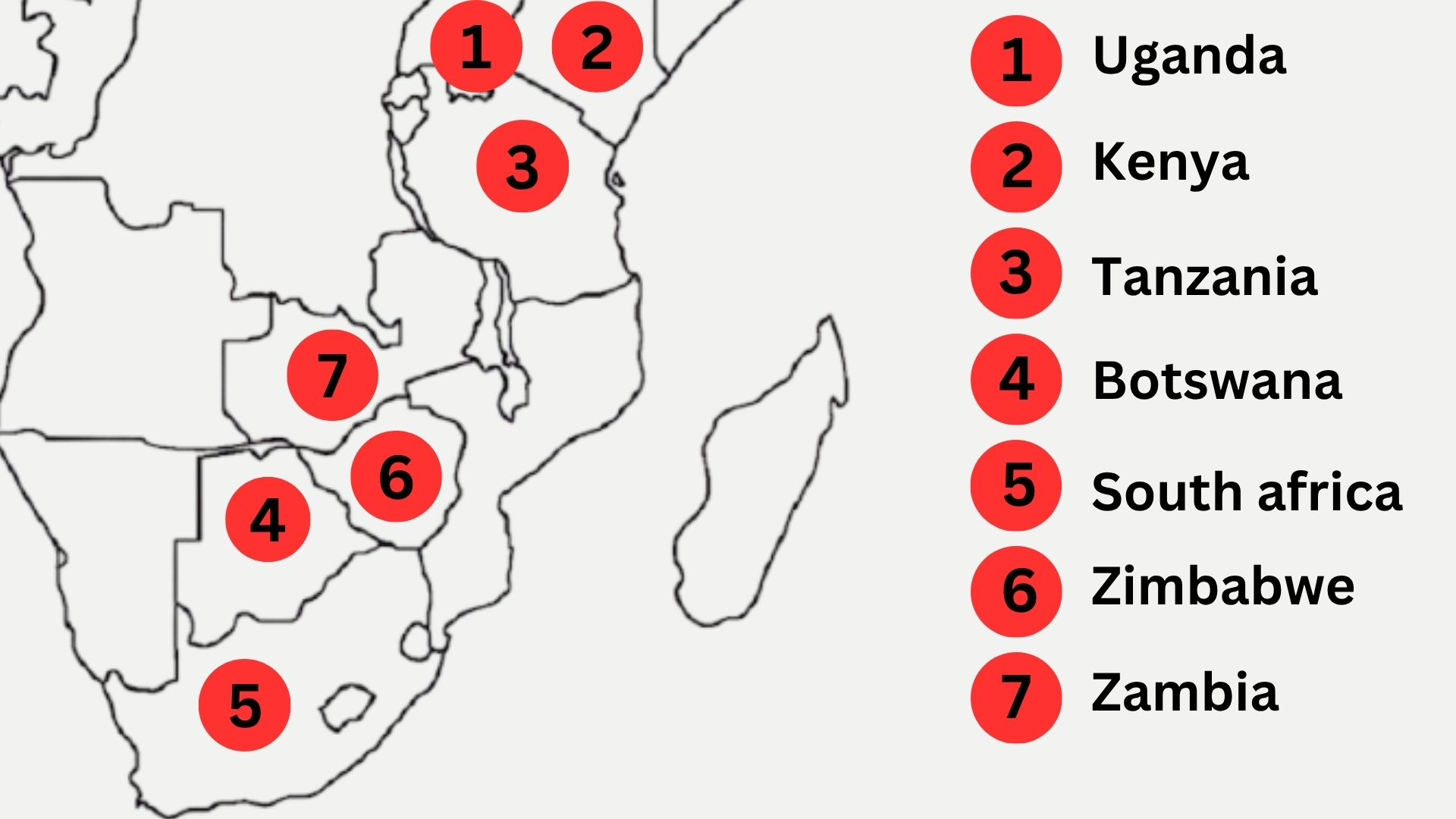
Top Birdwatching Destinations in Southern & Eastern Africa
Uganda:
Known as the “Pearl of Africa,” Uganda is compact yet incredibly rich in birdlife, with over 1,000 species recorded. Birders flock here for the legendary Shoebill, rare forest endemics, and the chance to explore lush tropical landscapes.
- Mabamba Swamp: A top spot for Shoebill storks and a variety of wetland species.
- Bwindi Impenetrable Forest: Home to 23 Albertine Rift endemic birds, including the Handsome Francolin.
- Queen Elizabeth National Park: Offers over 600 species across savannas and wetlands.
- Kibale Forest: Tropical forest birding meets chimpanzee trekking — perfect for spotting forest specialists.
- Murchison Falls National Park: A mix of riverine and savanna habitats supporting diverse species.
Best time to visit Uganda: November to April for wetland species, June to September for forest birding.
Kenya:
Kenya is synonymous with diverse ecosystems and unmatched birding. Over 1,100 species inhabit its arid plains, highland forests, and Rift Valley lakes, making it a top destination for both beginners and experienced birders.
- Lake Nakuru & Lake Bogoria: Famous for vast flocks of flamingos and waterbirds.
- Lake Baringo: Look for the African Pygmy Kingfisher and other lake-edge species.
- Maasai Mara: Raptors and migratory birds abound during the high season.
- Samburu: Spot northern specialties like the Somali Ostrich and Vulturine Guineafowl.
- Arabuko-Sokoke Forest: Coastal forest endemics, including the Sokoke Scops Owl.
Pro tip: Kenya’s excellent guides and well-managed reserves make birding both accessible and rewarding.
Tanzania:
Tanzania blends iconic safari landscapes with incredible bird diversity. Its parks and mountains host over 1,000 species, including East African endemics and flamingos on alkaline lakes.
- Serengeti & Ngorongoro Crater: Raptors, savanna species, and seasonal migratory birds.
- Usambara & Udzungwa Mountains: Isolated forests harbour rare and endemic species.
- Coastal Forests: Home to turacos, sunbirds, and other forest dwellers.
Best time to visit: June to October for savanna birding; December to March for wetland and coastal species.
Botswana:
Botswana’s pristine landscapes make it a paradise for birdwatchers. From the seasonal floodplains of the Okavango Delta to the dry Kalahari, the country supports a remarkable diversity of species.
- Okavango Delta: Over 500 species, including Wattled Crane, African Fish Eagle, and the elusive Pel’s Fishing Owl.
- Chobe National Park: Spot waterbirds like African Skimmer, Squacco Heron, and African Spoonbill along the riverfront.
- Makgadikgadi Pans: Seasonal flamingo spectacles from October to March.
Best time to visit: Wet season (November–April) for migratory birds; dry season (July–October) for large congregations around permanent water.
South Africa:
With over 850 species and excellent infrastructure, South Africa is ideal for birders seeking both convenience and variety. Its landscapes range from coastal wetlands to fynbos mountains and savannas.
- Cape Region: Endemics like the Cape Sugarbird and Knysna Turaco thrive in fynbos habitats.
- Kruger National Park: Home to classic savanna species and a wide range of raptors.
- Western Cape Wetlands: Superb for waterbirds and migratory species.
Pro tip: South Africa combines top-notch lodges, expert guides, and easy access to iconic birding sites, making it perfect for both luxury and adventure-focused birders.
Zimbabwe:
The wet season (November–April) is the best time to visit Zimbabwe for birdwatching. Migratory species arrive, birds are in breeding plumage, and lush habitats bring the avian world to life. Birding is rewarding here because of the abundance of species, dramatic landscapes, and the chance to see both waterbirds and forest specialists.
Key Birding Spots:
- Victoria Falls: Raptors soar along the gorge and forest specialists abound.
- Lake Kariba: Large waterbird congregations, including kingfishers, herons, and cormorants.
- Hwange National Park: Savanna birding combined with sightings of iconic wildlife.
Best time to visit: November–April (wet season).
Zambia:
Zambia is at its birding peak during the wet season (November–April). Rivers, floodplains, and woodlands teem with activity, making it one of the most rewarding destinations for both resident and migratory species. Birders can enjoy rich biodiversity and the thrill of spotting rare and colourful birds in lush landscapes.
Key Birding Spots:
- South Luangwa National Park: Riverine forests and woodland endemics.
- Lower Zambezi National Park: Waterbirds along the Zambezi River, including kingfishers and storks.
- Kafue National Park: Dambos and seasonal wetlands host both resident and migratory species.
Best time to visit: November–April (wet season).
Best Seasons for Bird Spotting:
Southern Africa
- October to March: Breeding plumage and migratory arrivals from Europe and Asia.
- April to September: Excellent for resident species and comfortable game viewing.
Eastern Africa
- November to April: Migrants flood in, particularly around Rift Valley Lakes and wetland regions.
- June to October: Ideal for drier, open habitats with better visibility.
No matter the season, you’ll find rewarding birding across both regions—especially with expert field guide birding tours that adapt to migration cycles.
Tips for an Unforgettable Birdwatching Tour
Pack the Right Gear
A good pair of binoculars (8×42 or 10×42) will make all the difference. You’ll be amazed how much detail you can see, from the shimmer of a lilac-breasted roller’s feathers to the twitch of a bee-eater’s tail. A lightweight field guide or a reliable app like Merlin Bird ID helps you identify species on the go, while a camera with a telephoto lens lets you capture those fleeting moments. Don’t forget a small notebook to jot down your sightings — it’s rewarding to look back and see how your list (and knowledge) grows over time.
Go with Local Guides
Even the most seasoned birders can miss what local experts pick up in an instant. Guides not only know where to find elusive species — such as the Pel’s fishing owl or the African pitta — but also recognize subtle calls and seasonal patterns that might otherwise go unnoticed. Their insight adds a rich layer of storytelling to every sighting, turning a simple twitch into a deeper understanding of the ecosystem.
Tune In to Behaviour and Calls
Half the thrill of birding is about listening as much as looking. Pay attention to songs, alarm calls, and even wingbeats. Watch how birds move: the way a hornbill tosses food in the air or a weaver methodically builds its nest reveals as much as its plumage.
Travel Responsibly
Birding is at its best when it’s done with care. Support lodges and conservancies that protect habitats and empower local communities. Avoid playback (recorded bird calls) unless guided to do so by a professional, and always keep a respectful distance from nesting sites. Every mindful choice helps preserve Africa’s fragile ecosystems for future birders — and for the birds themselves.
Keep a Birding Journal
There’s something special about recording your own sightings, whether it’s your first lilac-breasted roller or your hundredth sunbird. Use your notes to contribute to citizen science projects like eBird or SABAP2 . Your observations can actually support conservation efforts across the continent.
How to Combine Birding with a Safari
One of Africa’s biggest advantages is the ability to blend bird spotting with classic wildlife safaris. Early morning game drives often double as excellent birding sessions, and many lodges have hides or guided nature walks tailored for enthusiasts.
If you’re interested in photography, consider a private vehicle or specialist birdwatching tour—these provide flexibility to focus on smaller details and longer observation times, which general safaris don’t always allow.
Why Bird Spotting in Africa Belongs on Your Bucket List
Few experiences rival the serenity of bird spotting at sunrise over an African lagoon or hearing the echo of a Fish Eagle across a river. Whether on a birdwatching tour in Botswana or a self-drive adventure through South Africa, the magic of African birding lies in the details—the colors, calls, and constant surprises.
For travelers seeking more than just wildlife, bird spotting in Southern and Eastern Africa offers a deeper connection with nature—one flutter at a time.
Notable Species to Watch Out For:
Pel’s Fishing Owl (Botswana & Zambia)

The Pel’s Fishing Owl is one of Africa’s most sought-after nocturnal species. This large, russet-coloured owl is most often found along quiet riverbanks and floodplains, particularly in Zambia’s Lower Zambezi National Park. Unlike most owls, it feeds almost exclusively on fish, using its long talons to snatch prey from the water’s surface in the moonlight. Its haunting, deep “hoo-hoo” call carries across lagoons at night, an unforgettable soundtrack for any birder on safari.
Southern Ground Hornbill (Southern Africa)

The Southern Ground Hornbill is both majestic and endangered. It is a powerful presence on Africa’s open plains. Recognizable by its black plumage, bright red facial skin, and booming call that resonates like a drum. It is found in protected areas across South Africa, Botswana, and Zimbabwe and they live in cooperative family groups that can roam territories spanning hundreds of square kilometers. They play vital ecological roles by controlling insect and reptile populations, yet habitat loss and slow breeding rates have made them increasingly rare.
Shoebill (Uganda)

The Shoebill is one of Africa’s most extraordinary birds. It is part stork, part pelican, and entirely prehistoric in appearance. Standing over a meter tall with a massive, clog-shaped bill, it inhabits the papyrus swamps of Uganda’s Mabamba Bay. It hunts fish with surprising precision, and despite its size, the Shoebill moves gracefully through wetland channels. With fewer than 5,000 individuals left in the wild, seeing one in its natural habitat would be a highlight for any birdwatching tour in East Africa.
Flamingos (Kenya, Tanzania)

No bird spectacle compares to the pink flocks of Flamingos that gather on East Africa’s soda lakes. Millions of Flamingos flock to Lake Nakuru, Lake Bogoria, and Lake Natron, creating breath-taking pink carpets visible from the air. Their vivid colour comes from the carotenoid pigments in their diet of algae and crustaceans, while their synchronized movements and courtship dances are mesmerizing to watch. Seasonal shifts in water salinity and food availability cause the flocks to migrate between lakes, meaning no two visits are ever the same.
Lilac-breasted Roller

The Lilac-breasted Roller is arguably Africa’s most colourful bird. With its dazzling mix of turquoise, violet, and chestnut plumage, it looks as if it has flown straight out of a painter’s palette. Found widely across Kenya, Tanzania, and South Africa, it favors open savannas where it scans for insects and small lizards. During courtship or territorial displays, the roller performs dramatic aerial tumbles — a spectacle that gives the species its name. Its fearless nature and stunning hues make it a favorite subject for photographers and safari-goers alike.
Livingstones Turaco (Zimbabwe)

The Livingstone’s Turaco is a gem of the subtropical forests stretching from southern Tanzania and Mozambique down to the eastern highlands of Zimbabwe. Cloaked in emerald green with a striking crimson crest and scarlet wing feathers visible in flight, it’s a vision of beauty. Turacos are fruit-eaters, and this species often moves gracefully through the canopy in small, chattering groups. Unlike most birds, its vivid green and red colors come from unique pigments — not reflected light — making them truly rare in the avian world.
How to Combine Birding with a Safari
One of Africa’s biggest advantages is the ability to blend bird spotting with classic wildlife safaris. Early morning game drives often double as excellent birding sessions, and many lodges have hides or guided nature walks tailored for enthusiasts.
If you’re interested in photography, consider a private vehicle or specialist birdwatching tour—these provide flexibility to focus on smaller details and longer observation times, which general safaris don’t always allow.
Why Bird Spotting in Africa Belongs on Your Bucket List
Few experiences rival the serenity of bird spotting at sunrise over an African lagoon or hearing the echo of a Fish Eagle across a river. Whether on a birdwatching tour in Botswana or a self-drive adventure through South Africa, the magic of African birding lies in the details—the colors, calls, and constant surprises.
For travelers seeking more than just wildlife, bird spotting in Southern and Eastern Africa offers a deeper connection with nature—one flutter at a time.


