
- Understanding the African Safari Migration
- Can the Migration River Crossings Be Predicted?
- Why Do Wildebeest Migrate?
- Peak Events Of The Migration To Witness
- Best Time to Visit Africa for Migration
- How to Choose the Right Safari Camp For the East African Safari Migration Season
- Tips for an Unforgettable Migration Safari
The African safari migration season is not a single event but a continuous, year-round cycle of wildlife movement across Tanzania’s Serengeti and Kenya’s Maasai Mara. If you’re wondering when the migration happens, where the herds are each month, or the best time to see river crossings, the answer depends on what part of the Great Migration you want to witness. From January’s calving season in the Southern Serengeti, to the June Grumeti River crossings, to the famous Mara River crossings from July to September, every month offers a different migration experience. Because the herds follow rainfall rather than a fixed schedule, the exact day a crossing happens can’t be predicted — making timing and location crucial when planning a migration safari. This guide breaks down the entire African animal migration season, explains the best months to visit each region, and shows you exactly where the wildebeest herds typically move throughout the year. Whether you want dramatic river crossings, predator action, newborn calves, or quieter months with fewer travellers, this is the complete overview you need to plan the ultimate migration safari.
Understanding the African Safari Migration
The African animal migration season is a year-round event, with different highlights appearing at different times of the year. This epic migration follows a natural rhythm dictated by rainfall and fresh grazing, with herds moving across the Serengeti-Mara ecosystem in search of food and water. While many people associate the migration with the famous Mara River crossings, the truth is that there are spectacular events throughout the year:
-
Africa Migration Season (November – January): Herds move south from the Maasai Mara back into the Serengeti after the short rains.
-
Calving Season (January – February): In the southern Serengeti, thousands of calves are born, attracting predators and creating intense wildlife action.
-
Rutting (Breeding) Season (April – May): Mating and territorial displays dominate the central and western Serengeti.
-
Grumeti River Crossings (May – June): Wildebeest and zebras navigate this challenging central Serengeti river.
-
Mara River Crossings (July – September): The most dramatic and photographed event, with herds risking crocodile-filled waters in the Maasai Mara and northern Serengeti.
Can the Migration River Crossings Be Predicted?
The river crossings of the Great Migration are famously unpredictable. Wildebeest herds don’t follow a strict timetable—some dash straight across the rivers as soon as they arrive, others linger to graze, and some even retreat before attempting the crossing. Because of this uncertainty, there’s no way to guarantee you’ll witness a river crossing on a specific day. For the best chance, plan to spend several days in areas like the Maasai Mara or northern Serengeti during the peak migration season, giving yourself more opportunities to see this iconic spectacle.
Why Do Wildebeest Migrate?
Wildebeest migrate primarily in search of food and water. Their movements are closely tied to East Africa’s rains, as new grass growth provides essential nourishment. While some experts speculate that distant thunderstorms or lightning might influence their timing, the migration is largely driven by instinct and survival needs. This natural rhythm creates one of the most incredible wildlife events in the world—the African safari migration season.
Peak Events Of The Migration To Witness
If you want to see the migration up close, here’s a breakdown of the must-see events during the African safari migration season:
Mara River Crossings
-
When: Late July – September
-
Where: Maasai Mara (Kenya) and Northern Serengeti (Tanzania)
-
Why: The iconic river crossings, with wildebeest leaping into crocodile-infested waters, are the ultimate wildlife photography moment.
Calving Season
-
When: January – February
-
Where: Southern Serengeti (Tanzania)
-
Why: Thousands of calves are born in a short span, attracting lions, cheetahs, and hyenas—perfect for witnessing predator-prey dynamics.
Grumeti River Crossings
-
When: May – June
-
Where: Central Serengeti (Tanzania)
-
Why: Less crowded than the Mara, this crossing gives visitors a more intimate and thrilling safari experience.
Best Time to Visit Africa for Migration
The best time to see animal migration in Africa depends on what aspect of the migration excites you most: river crossings, calving season, or breeding behaviour. Here’s a quick guide:
Planning your safari around these peak events maximises your chances of witnessing Africa’s wildlife at its most dramatic.
| Event | Location | Best Months |
|---|---|---|
| Mara River Crossing | Maasai Mara | July – September |
| Calving Season | Southern Serengeti | January – February |
| Grumeti River Crossing | Central Serengeti | May – June |
When and Where the Great Migration Happens
The migration is a year-round cycle, but certain moments – like the dramatic Mara River crossings or the mass calving season—are the highlights that draw safari-goers from all over the world. Here’s what to expect during the African safari migration season, month by month:

December – March: Calving Season in the Southern Serengeti
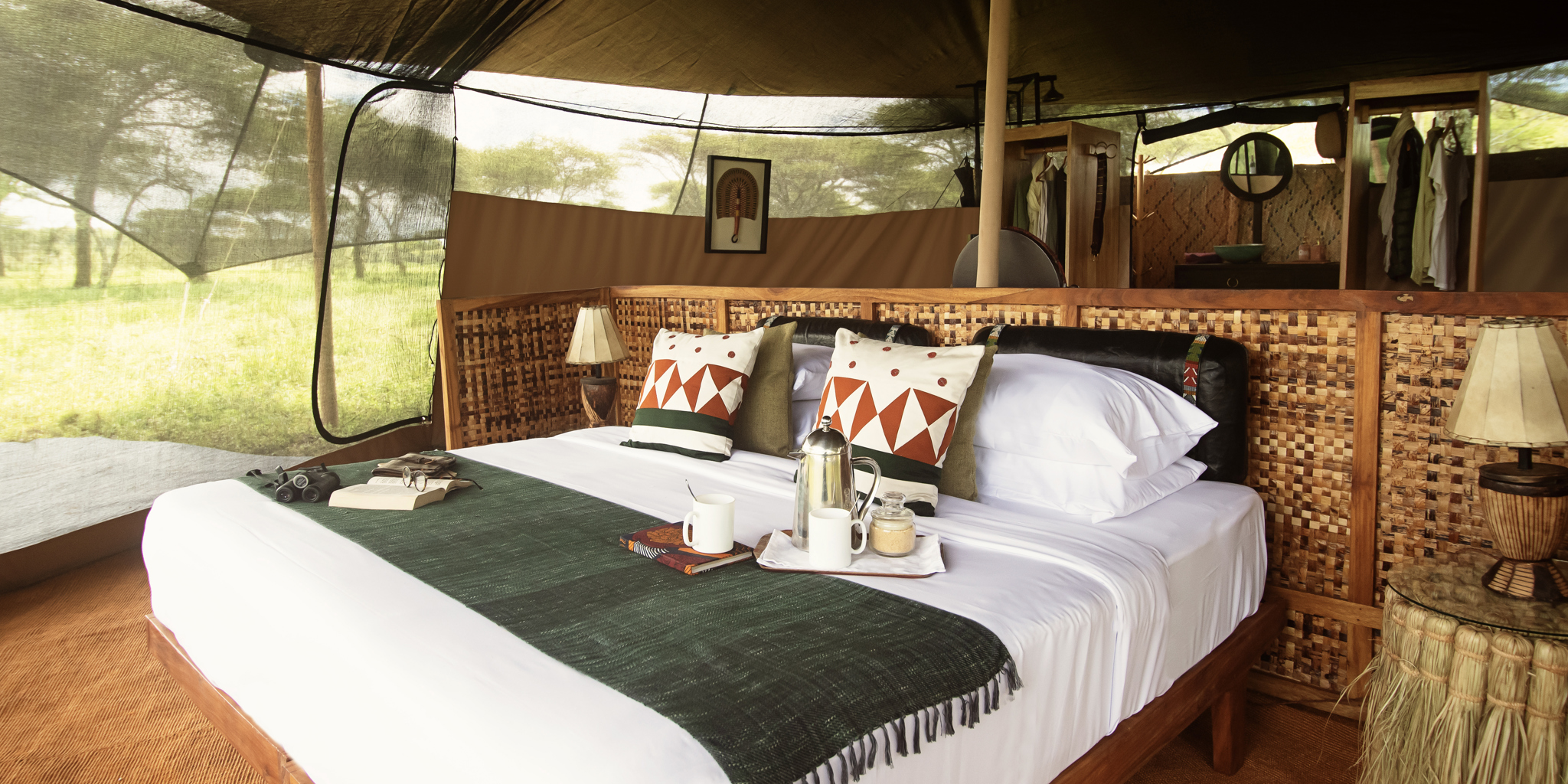
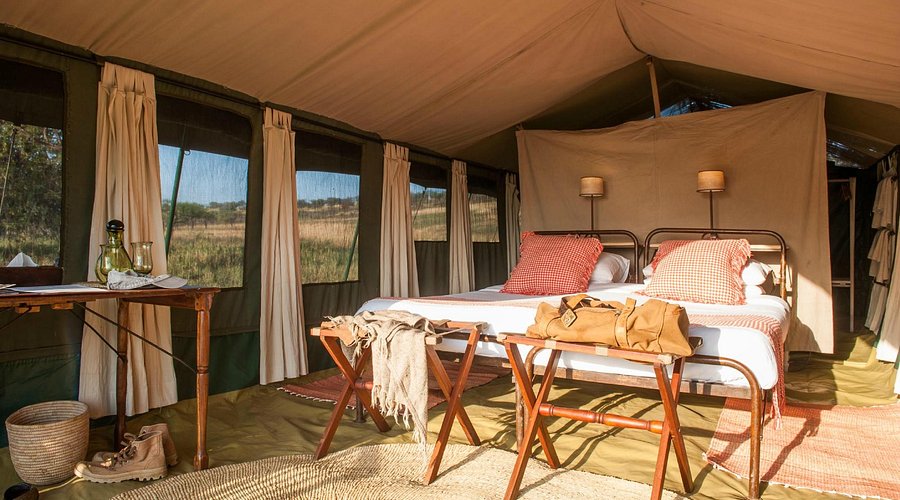
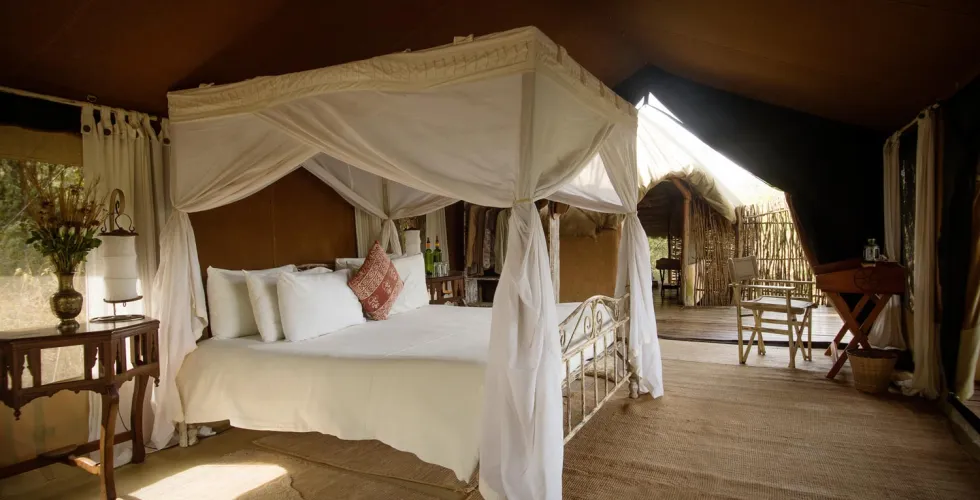
The migration begins in the southern Serengeti plains, near Ngorongoro Crater, where the fertile volcanic soil produces rich, sweet grasses, which is ideal for new born calves. During this time, around 500,000 wildebeest calves are born, attracting predators and creating incredible opportunities for wildlife viewing. The open, flat landscape also makes it easier to spot predators like lion and cheetah in action. This is a quieter window of the African safari migration season, offering great value and fewer crowds. We recommend staying at:
Wayo Green Camp
Serengeti Safari Camp
Alex Walker’s Serian
March – May: The Long Rains
From March through May, the long rainy season brings lush landscapes and fewer visitors. While the migration is still present in the region, heavy rains can make travel more challenging. This time of year is best for seasoned travellers looking for solitude and dramatic skies.
June – July: Heading North:
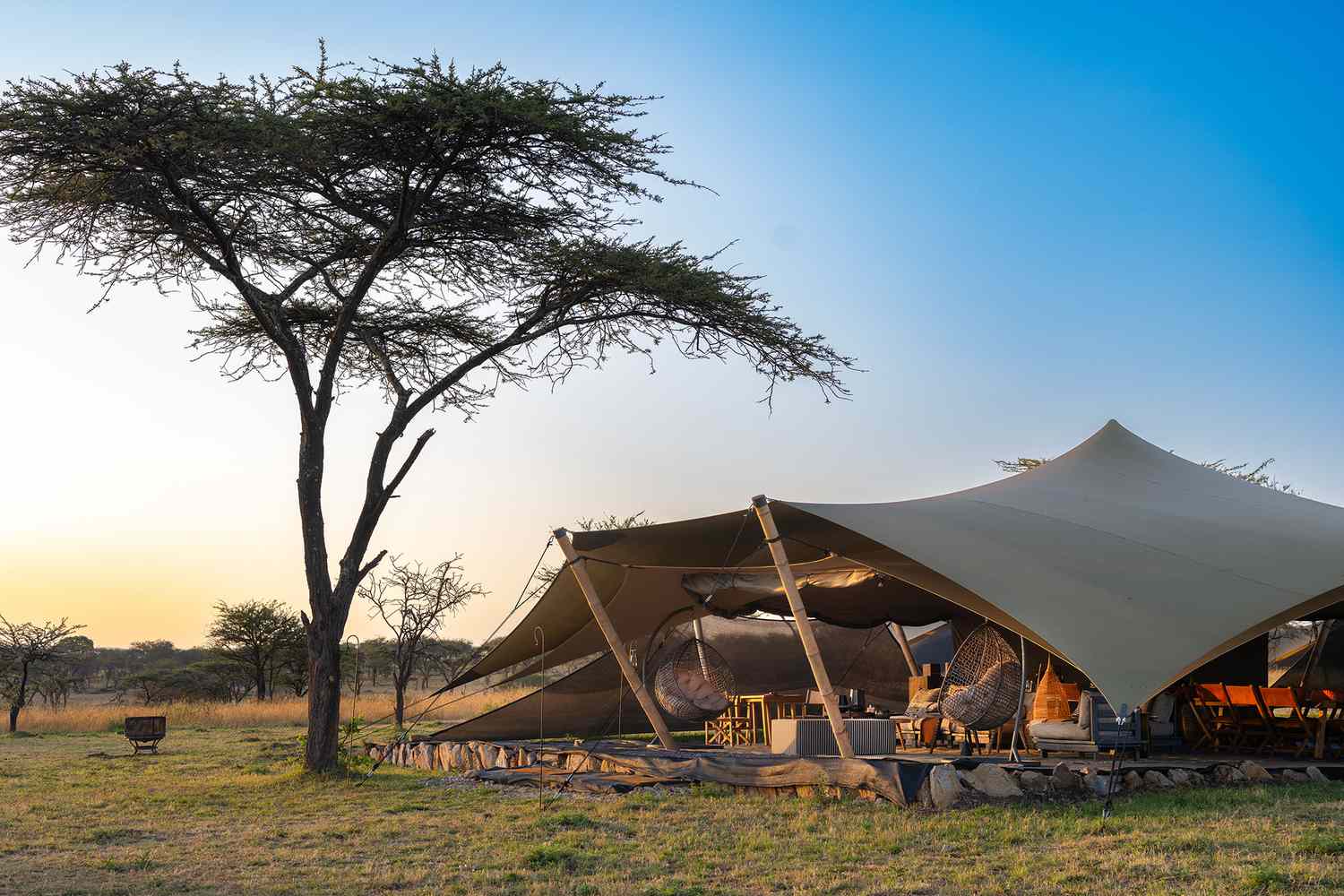
As the plains dry up, the herds begin moving northward through the central Serengeti. This period marks the start of peak season during the east african safari migration season, when wildlife viewing is excellent and camps book up well in advance. Recommended camps for this stage include:
Wayo Green Camp
Lamai Serengeti
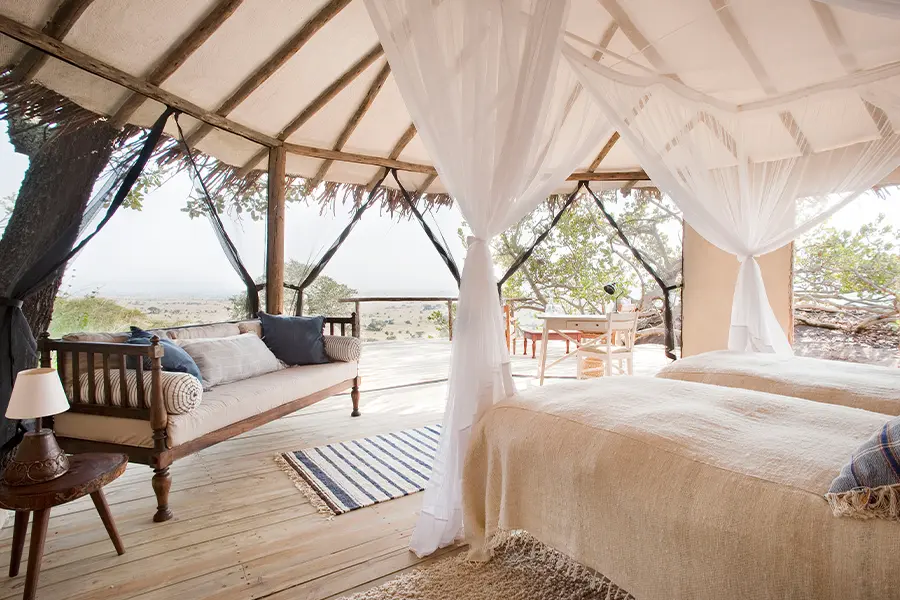
Usawa Camp
August – October: The Mara River Crossings
One of the most iconic events of the east African safari migration season is the Mara River crossing. This spectacle can be very difficult to see because, as the wildebeest gather at the banks of the river, they can often hesitate for hours, or even days. And all it takes is one brave individual to make the leap, which will trigger a thundering stampede across the crocodile-infested waters. Timing this experience can be tricky, as it’s highly unpredictable and weather dependent. That said, visiting during August to October offers your best chance to witness this breathtaking spectacle.
November: The Return Journey South
As the short rains arrive, the herds begin their journey south again toward the fertile plains of the southern Serengeti. This sets the stage for the next calving season, completing the cycle of the African safari migration season.
How to Choose the Right Safari Camp For the East African Safari Migration Season
When planning a trip around the east African safari migration season, one of the most important decisions is choosing the right camp. The migration is a dynamic, ever-shifting event, so location is everything. Look for camps that are positioned in areas where the herds are expected to be during your travel dates—this can vary widely depending on rainfall and seasonal patterns. Mobile camps are especially valuable during the migration season. These camps move several times a year to follow the wildlife, ensuring you’re always close to the action. Not only do they offer front-row access to the migration, but they also provide a more immersive, flexible safari experience. Smaller, more remote camps often offer exclusive game viewing and a deeper connection with the landscape. This is ideal for those seeking a more authentic, less crowded safari.
Tips for an Unforgettable Migration Safari
- Book Flexible Tours: The migration is unpredictable, so stay multiple days at lodges or camps near key rivers.
- Choose Guided Safaris: Experienced guides know the herds’ movements and predator hotspots.
- Pack for All Conditions: From early morning chill to midday sun, be prepared for varied safari conditions.
- Capture Moments, Respect Wildlife: Photography is incredible here, but safety and ethical wildlife practices always come first.
So when is the best time to visit Africa for the migration?
The optimal period to witness the Great Migration in East Africa spans from June to October. During this time, the herds move northward through the Serengeti. This is where the dramatic Mara River crossings between August and October occur. This spectacle is renowned for its intensity, as wildebeest and zebras navigate the perilous river, often facing crocodile-infested waters. For those seeking to experience the calving season, December to March offers a quieter window with fewer crowds, allowing for close encounters with newborns and predators in the southern Serengeti. However, it’s essential to note that the migration’s timing can vary annually due to factors like rainfall patterns. Therefore, consulting with local safari operators for the most current information is advisable when planning your trip.
Ready to plan your trip around the east african safari migration season? At Pulse Africa, we specialize in tailor-made safari itineraries that get you close to the action—without the stress. Contact us today, and let’s build your dream migration safari.

Bronwen Dearham
East Africa Travel Specialist
Contact Bronwen today, and let’s build your dream migration safari.


